
Essential Resources for Dancers' Mental Well-Being
- Dance Sport Trust
- Dec 9, 2025
- 4 min read

Updated: Mar 31
Dancing is often spoken about in physical terms. Technique, stamina, strength and precision dominate the conversation. Yet the life of a dancer is shaped just as much by the mind as by the body.
Training demands focus. Competition brings pressure. Progress is rarely linear. Over time, dancers learn that sustaining a healthy relationship with their craft requires more than physical preparation. It requires emotional steadiness, perspective, and a way of navigating the quieter challenges that come with pursuing excellence.
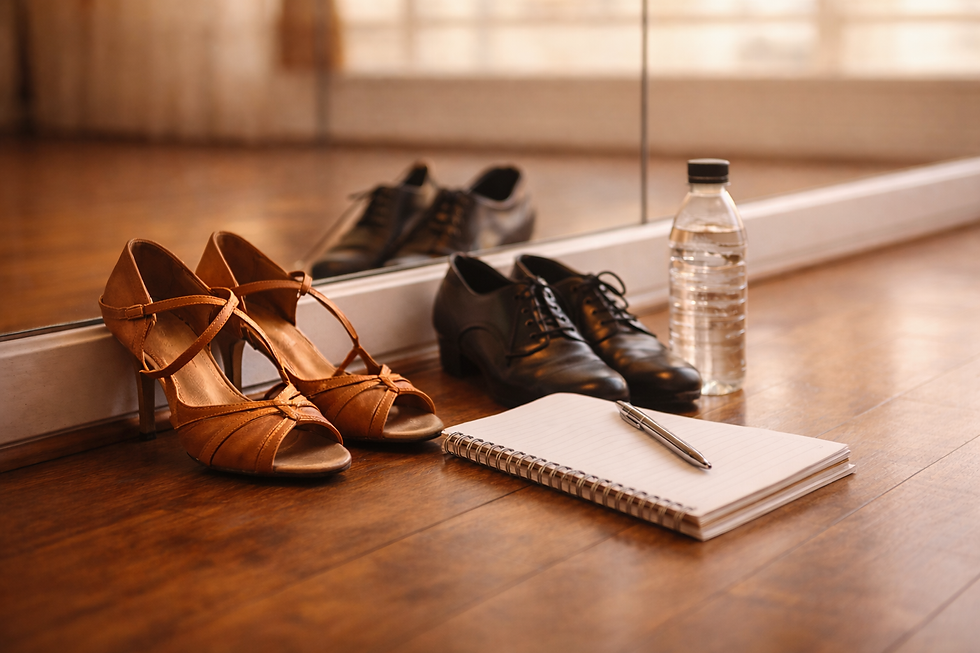
Wellbeing in dance begins in the studio, long before stepping onto the floor.
Understanding the importance of mental wellbeing
Dancers work within an environment that can be both inspiring and demanding.
There is the expectation to perform well, often in front of judges, teachers, peers and audiences. The physical nature of training can bring fatigue, frustration, and sometimes injury. At the same time, dance itself is a form of expression. It asks dancers to connect with emotion while maintaining control and clarity.
When mental wellbeing is supported, dancers often discover that their creativity deepens, their resilience grows, and their relationship with their craft becomes more sustainable.
Resources that can support dancers
There are many ways dancers can strengthen their mental wellbeing. Some are simple practices that fit naturally into daily training, while others may involve seeking guidance or support.
Mindfulness and mental focus
Practices that encourage stillness and awareness can help dancers manage pressure and remain present in their training. Techniques such as breathing exercises, short periods of quiet reflection, or guided meditation can help settle the mind and improve concentration.
Some dancers find it helpful to use meditation apps or attend workshops that explore these practices in a performance setting.
Physical balance and cross-training
Physical resilience often supports mental resilience.
Activities such as yoga, conditioning work or gentle strength training can improve body awareness and reduce the physical strain that sometimes contributes to stress.
When the body feels supported, the mind often follows.
Professional support when needed
There are times when additional support is valuable. Speaking with a counsellor or therapist can provide a safe space to process pressure, disappointment or anxiety that may arise through training or competition.
Some practitioners work specifically with performers and understand the particular demands placed on dancers.
Nutrition and hydration
Energy levels and mental clarity are closely connected to nutrition and hydration. Maintaining regular meals and adequate hydration can support both physical performance and emotional balance throughout long training days.
Community and connection
Perhaps one of the most overlooked resources is community. Fellow dancers, teachers and mentors often play an important role in sustaining motivation and perspective.
Conversations, shared experiences and mutual encouragement can make the journey feel far less isolating.
Practical ways dancers can support themselves
Small habits within daily training can make a meaningful difference.
Establishing a steady routine that includes both focused practice and moments of rest helps maintain balance. Short pauses during long rehearsals can prevent fatigue from turning into frustration.
Setting realistic goals also helps maintain motivation. Progress in dance often happens gradually, and recognising small improvements along the way encourages persistence.
Equally important is learning to treat oneself with patience. Dancers are often highly self-critical, yet progress rarely flourishes under constant pressure. Acknowledging effort, growth and dedication helps maintain a healthier relationship with training.
Technology and modern resources
Today’s dancers have access to a wide range of online resources. Virtual workshops, educational platforms and conversations around mental wellbeing in the performing arts are more accessible than ever.
Used thoughtfully, these tools can provide valuable insights and support. At the same time, dancers benefit from remembering that genuine development still unfolds most meaningfully within the studio environment, through consistent practice and personal experience.
Online Classes and Resources
With the growth of online platforms, dancers today have access to a wide range of resources that were once difficult to find. From educational workshops to conversations around wellbeing in the performing arts, many valuable tools are now available from home.
Virtual workshops can offer guidance on topics such as mental resilience, managing performance pressure, and maintaining balance within demanding training schedules. Webinars and online discussions often explore themes like stress management, performance anxiety, and the broader wellbeing of performers.
These spaces can provide useful perspectives and practical ideas that dancers may choose to integrate into their own routines.
Social Media and Support
Social media has become an unavoidable part of modern dance culture. While it can sometimes amplify pressure or comparison, it can also serve as a source of encouragement and shared understanding when approached thoughtfully.
Many dancers and mental health advocates use their platforms to share insights about wellbeing, resilience and sustainable training. Following voices that promote balanced perspectives can help create a more supportive digital environment.
Online communities can also provide a place where dancers exchange experiences and ideas, reminding one another that many of the challenges they face are shared across the wider dance world.
A final thought
The pursuit of dance is demanding, but it can also be deeply rewarding. When dancers give attention not only to technique but also to their mental wellbeing, they create a foundation that allows their artistry to grow more freely.
Supporting the mind is not separate from dance training. It is part of it.
And very often, it begins in the quiet moments in the studio, when the music stops and the work continues.


Comments