
The Impact of Digital Media on Young Dancers Self-Esteem and Identity Development
- Nicole Cutler

- Mar 18
- 3 min read
Updated: Mar 31
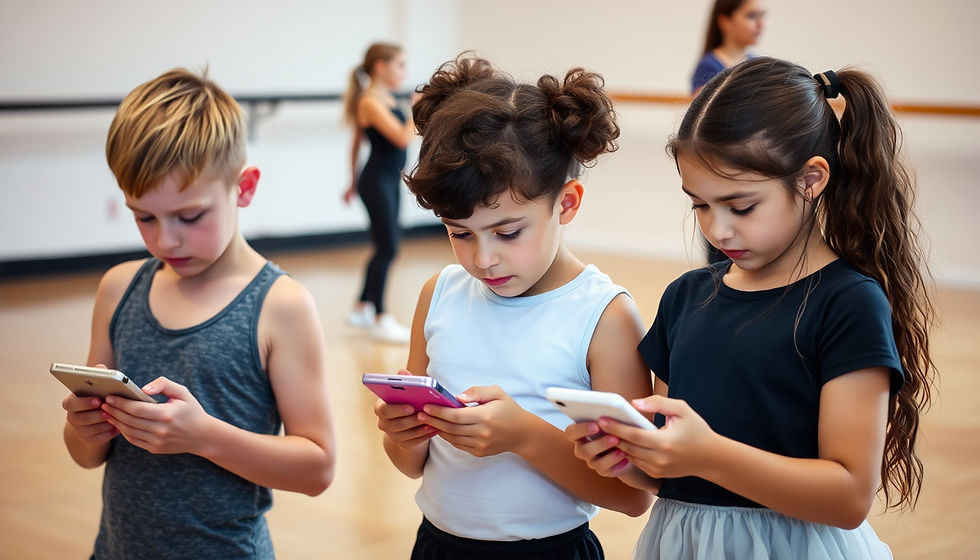
Digital media plays a powerful role in shaping how young dancers see themselves and their place in the dance world. With the rise of platforms where dancers share videos, photos, and stories, children and teens face new opportunities and challenges. These digital spaces influence their self-esteem, motivation, and identity in ways that were not possible before. Understanding these effects helps parents, teachers, and dancers themselves navigate the digital landscape with care and confidence.
How Digital Platforms Influence Young Dancers
Digital environments offer young dancers a stage beyond the physical dance studio. They can share performances, watch others, and connect with dancers worldwide. This exposure can boost confidence when they receive positive feedback like likes and comments. It also allows them to learn new styles and techniques by watching videos.
At the same time, these platforms create new pressures:
Self-esteem depends on likes and views. Young dancers may start to measure their worth by how many people engage with their posts.
Identity development is influenced by role models online. Children often imitate older or more experienced dancers they admire, which can shape their style and self-image.
Feelings of social visibility or evaluation increase. Knowing that many people watch and judge their performances can cause anxiety.
Concentration and rest may suffer. The urge to post frequently and check feedback can distract from practice and recovery.
Motivation can shift. Instead of dancing for joy or growth, some focus on gaining online approval.
The Challenge of Comparison
One of the toughest parts of digital media for young dancers is comparison. It is natural to look at others, but online, comparisons can become unrealistic and emotionally draining. Children often compare themselves with:
Older or more mature dancers who have more experience
Dancers using filters or video edits that enhance their appearance or performance
Professionals with years of training and polished skills
Peers who post frequently and seem to have constant success
These comparisons can lead to feelings of inadequacy or frustration. For example, a 12-year-old dancer might see a flawless video of a 17-year-old performing a difficult routine and feel discouraged about their own progress. This emotional weight can affect their passion for dance and their overall self-esteem.
Supporting Healthy Online Habits
Parents and caregivers play a crucial role in helping young dancers develop a balanced relationship with digital media. Here are practical ways to support healthy habits:
Discuss the purpose of posts. Talk about why the child wants to share content and what they hope to gain.
Review privacy settings together. Ensure that posts are shared with trusted audiences to protect the child’s safety.
Encourage regular breaks from screens. Set limits on daily screen time to help maintain focus on practice and rest.
Explore feelings about online content. Ask how certain posts make the child feel and validate their emotions.
Reduce digital exposure during pressured times. For example, before competitions or exams, limit social media use to lower stress.
Discourage overposting or tying self-worth to performance. Remind children that their value is not based on online approval.
Reinforce that online content is curated. Help them understand that many posts show only the best moments, not the full reality.
The Long-Term Digital Footprint
Parents should also consider the lasting nature of digital content. Videos and photos shared online can remain accessible for years, which raises important questions:
How long will the content stay online?
Who might see the images or videos in the future?
Are there posts the child might later wish were private?
How can sharing be balanced with safety and privacy?
Teaching children about digital literacy helps them make thoughtful choices about what to share. This awareness supports their identity development by encouraging responsibility and self-respect.
Practical Examples for Parents and Educators
Create a “digital diary” with the child. Instead of frequent public posts, encourage keeping a private collection of videos and photos to track progress.
Set “offline days” for the dance community. Organize times when dancers focus on in-person practice without digital distractions.
Use positive role models. Share stories of dancers who balance online presence with healthy self-esteem.
Discuss edited content openly. Show examples of how filters or video edits change appearances and performances.
Final Thoughts
Digital media shapes young dancers’ self-esteem and identity in complex ways. It offers chances to connect, learn, and celebrate achievements but also brings challenges like comparison and pressure. By fostering healthy online habits and digital literacy, parents and educators can help young dancers enjoy the benefits of digital platforms while protecting their emotional well-being.


Comments